
· 6 min read
How Does The Bail Bonds Process Work?
A step-by-step walkthrough of the California bail process — from arrest and booking through posting bail and securing release.
Read Guide →CLEAR INFORMATION WHEN YOUR FAMILY NEEDS ANSWERS
When someone is arrested, families usually need three answers first: where the person is being held, whether bail is available, and what the next step may cost. Use this help center to find official custody resources, understand the California bail process, compare payment options and prepare the information a licensed bail agent may need.
Select the topic that best matches your situation to find the right information.
Look up custody status, booking information and facility location using official California inmate search tools.
Search inmate locators →Learn how bail is set, what a bail bond covers, and what happens from the time of arrest through release.
Read the bail overview →Compare the cost of a bail bond against cash bail, and review available payment arrangements including financing.
See payment options →Look up county bail schedule amounts by charge to get a general sense of what bail may be set at before arraignment.
Search bail schedules →Understand your options when an outstanding warrant exists or a court date is approaching, including surrender bail.
Read warrant bail guide →Also: court bail bonds →Find charge-specific bail information covering DUI, domestic violence, felony, assault, warrants and more.
Browse charge guides ↓Find bail information specific to the type of charge or situation involved.
A DUI arrest in California typically involves a set bail amount based on the county schedule and prior history. Learn how bail is determined and what to expect during the release process.
Read guide →Domestic violence arrests in California often involve mandatory hold periods and protective order conditions. Understand how bail is set and what restrictions may apply before release.
Read guide →An outstanding warrant can lead to arrest at any time. Find out how surrender bail works, what options may be available before an arrest occurs, and how a bail agent can help.
Read guide →Felony charges carry higher bail amounts and may involve a bail hearing before a judge sets the amount. Review how felony bail differs from misdemeanor bail and what factors affect the outcome.
Read guide →Assault and battery charges range from misdemeanor to felony depending on the circumstances. Learn how bail amounts are typically set and what the release process involves.
Read guide →Child endangerment arrests often involve elevated bail and may include protective conditions. Understand how bail is handled in these cases and what a licensed agent can explain about the process.
Read guide →Bail can be posted at or near the courthouse in some situations, including cases where a judge sets bail at arraignment. Learn how court bail works and when it may apply.
Read guide →In-depth guides about the California bail process, costs, co-signers, arrest procedures and county resources.
· 6 min read
A step-by-step walkthrough of the California bail process — from arrest and booking through posting bail and securing release.
Read Guide →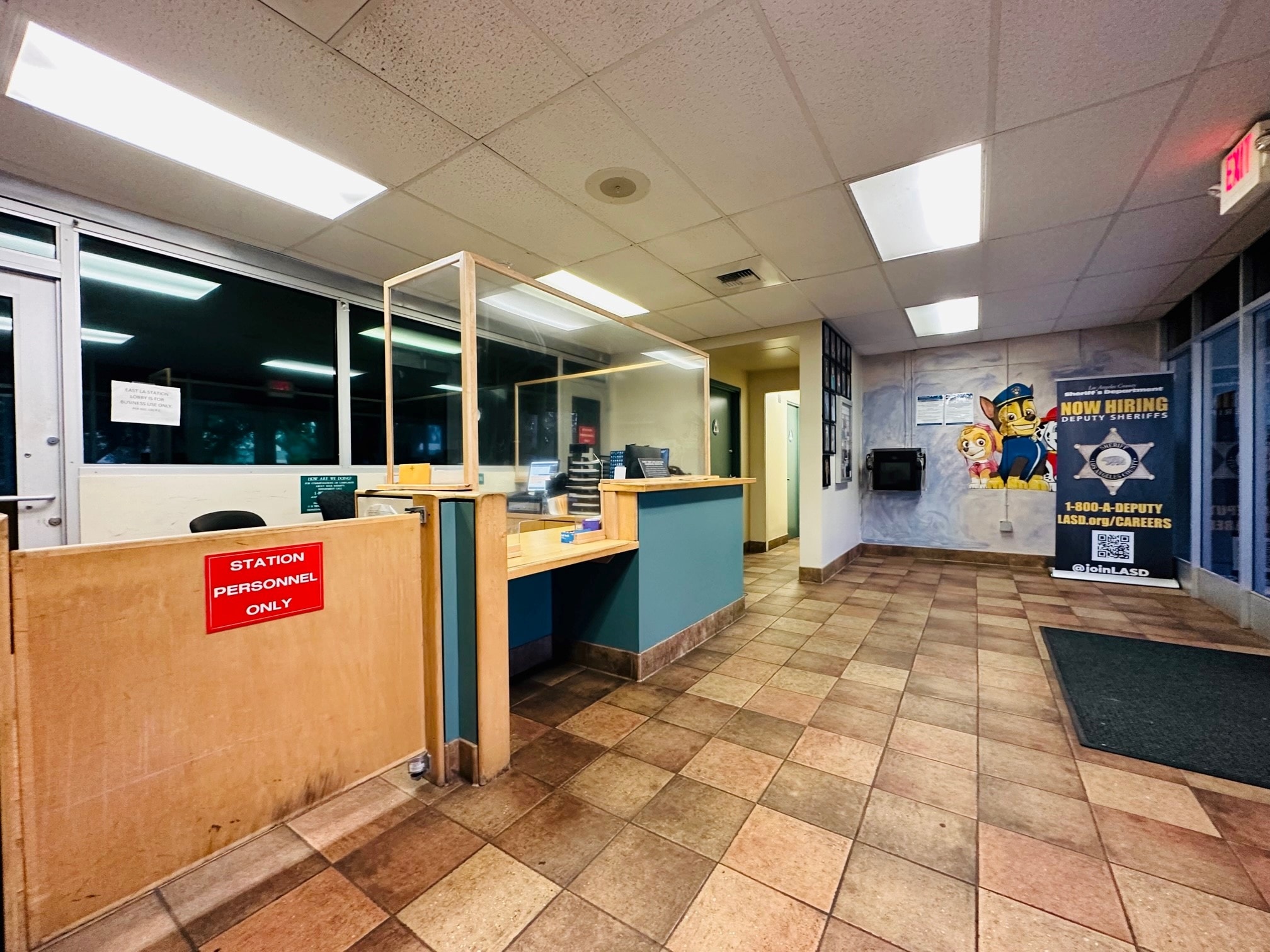
· 7 min read
A practical guide to locating someone in LA County custody, comparing release methods, and arranging a bail bond through a licensed agent.
Read Guide →
· 5 min read
An explanation of how the California bail bond premium is calculated, what the 8–10 percent rate covers, and what additional costs may apply.
Read Guide →
· 5 min read
A detailed look at how the standard California bail bond premium is applied to the bail amount set by the court or county schedule.
Read Guide →
· 4 min read
Explains the key difference between cash bail and a bail bond premium, and what happens to each if charges are reduced or dismissed.
Read Guide →
· 5 min read
Reviews payment plan options, collateral arrangements, and other approaches available when cash for a bail bond premium is limited.
Read Guide →California Bail Law
Explains what bail bond exoneration means, how it differs from dismissal or acquittal, and what to confirm about premiums, collateral, and remaining obligations.
Read Guide →
· 7 min read
Covers co-signer responsibilities, financial exposure, rights to request surrender, and what to review before signing a bail bond indemnity agreement.
Read Guide →
· 6 min read
A guide for families after an arrest in East Los Angeles — how to locate someone in custody, understand the booking process, and arrange bail.
Read Guide →
· 5 min read
Explains how to use official county inmate search tools to locate someone in California custody and understand what booking information is typically available.
Read Guide →
· 5 min read
Describes how each California county publishes a bail schedule, how amounts are assigned to charges, and when a judge may deviate from the schedule at arraignment.
Read Guide →
· 6 min read
Covers what PC 273.5(a) charges involve, what happens after a domestic violence arrest, and how bail is typically handled in these cases.
Read Guide →Los Angeles Resources
Step-by-step information about locating someone in LAPD custody, accepted bail-posting methods, current jail locations and what happens after an LAPD arrest.
Read Guide →
· 5 min read
Explains how to look up an active warrant, verify a court date, and review case status using official California court resources.
Read Guide →Riverside County
How to review available Riverside County court and warrant information, what to do after a missed court date, and how Post It Bail Bonds can help.
Read Guide →Los Angeles County
How to review available Los Angeles County court information, what the Sheriff's Department says about warrant inquiries, and how Post It Bail Bonds can help.
Read Guide →Orange County
Where to start an Orange County court-record search, which Justice Center handles warrant appearances, and how Post It Bail Bonds can help with free information assistance.
Read Guide →You do not need every detail to ask for assistance. Sharing the information you already have may help an agent review available booking and bail information more efficiently.
A recent arrest may not appear immediately while booking, screening or transfer processing is still underway.
A REAL PERSON TO GUIDE YOU
Share the person's name, arrest location and any booking information available to you.
A licensed agent can help review available custody and bail information and explain what may still be pending.
If bail is available, the agent explains the written agreement, applicable premium, payment terms, co-signer responsibilities and any collateral requirements before a bond is posted.
Select your county to find bail bond information and official inmate search resources.
Los Angeles County operates the largest jail system in the United States, with multiple facilities across the county.
Orange County Jail is the primary detention facility for the county, with additional holding locations at city police stations.
Riverside County Sheriff operates several detention facilities serving the Inland Empire region of Southern California.
San Bernardino County covers a large geographic area and operates multiple detention facilities administered by the county sheriff.
San Diego County Sheriff operates several detention facilities, with the Central Jail serving as the primary booking location.
Understand the bail process, how bail amounts are set, what a bail bond is, and what happens after bail is posted.
Read: How Bail Works →Step-by-step guides to finding someone who has been arrested in Orange County, Los Angeles County, Riverside County, San Bernardino County, and San Diego County.
Read: Inmate Search Locator →Information about bail bonds for specific charges including DUI, domestic violence, felony, warrant, assault and battery, child endangerment, and courthouse bail.
County-specific bail bond information, local phone numbers, and resources for families in Southern California.
Addresses, phone numbers, booking information, and inmate search links for major Southern California jails and detention facilities.
Information about how bail bond premiums work, what is refundable, and what payment options may be available.
Read: Bail Bond Refund Policy →Post It Bail Bonds is available 24 hours a day to answer your questions about bail, inmate location, and available options. Confidential assistance in English and Spanish.
Before entering into a bail bond agreement, consumers should take a few steps to protect themselves.
Answers to questions families commonly ask after an arrest in California.
Most California counties provide an online inmate search tool through the county sheriff or jail system. You can search by name or booking number to check whether someone is in custody and at which facility. A licensed bail agent can also help you locate someone if you have limited information.
The most useful information is the person's full legal name, date of birth, and the county where the arrest occurred. A booking number, if available, makes the search faster. You do not need all of this information to begin — a bail agent can often help with partial details.
Bail is typically set according to the county bail schedule, which assigns a dollar amount to each charge. A judge may increase, reduce, or deny bail at arraignment based on factors such as flight risk, criminal history, and the nature of the charges. Some charges carry a mandatory hold period before bail is available.
The premium for a California bail bond is regulated by the state and is typically 8 to 10 percent of the total bail amount set by the court. This premium is earned when the bond is posted and is not refunded if the case is resolved or charges are dropped. Payment plan options may be available.
In many cases, yes. A licensed bail agent can prepare and transmit the indemnity agreement and related documents electronically, which can reduce the time needed to post bail. The agent will explain what signatures and information are required before the bond can be filed.
Yes. A family member, friend, or other third party can contact a bail agent, sign the indemnity agreement as a co-signer, and arrange payment on behalf of the person in custody. The co-signer takes on financial and legal responsibility for the bond, including ensuring the defendant appears at all required court dates.
Once the bond is accepted by the jail or court, the facility begins processing the release. The defendant is required to appear at all scheduled court dates for the duration of the case. The bail agent and co-signer remain responsible for the bond until the case is concluded and the bond is exonerated.
Release processing time is controlled by the detention facility and varies based on the facility, staffing, and the number of people being processed. It can range from a few hours to longer at larger facilities. A bail agent cannot control or guarantee a specific release time.
Yes. A judge may deny bail in cases involving certain serious charges, a significant flight risk, or a finding that the defendant poses a danger to the community. In some cases a mandatory hold period applies before bail becomes available. A bail agent can explain what is known about the situation once booking information is available.
Confirm the agent's license through the California Department of Insurance before sending any money. Get the premium amount, payment terms, and co-signer responsibilities in writing. Verify who the payment recipient is and keep copies of all signed agreements and receipts. Be cautious of anyone who guarantees a specific release time or a favorable court outcome.
YOU DO NOT HAVE TO FIGURE THIS OUT ALONE
Tell us what you know about the arrest or booking. A real person can help review the available information and explain practical next steps without judgment or unnecessary pressure.