
What Is a County Bail Schedule?
A county bail schedule is an official document adopted by the superior court of each California county. It lists criminal charges — identified by Penal Code section, Health and Safety Code section, Vehicle Code section, or other statute — and assigns a bail amount to each one. When a person is booked into a county jail, the booking officer uses the schedule to set an initial bail amount. This allows the defendant to post bail and be released before arraignment without waiting for a judge to set bail individually. The schedule is not the final word on bail — a judge may change the amount at arraignment.
Los Angeles County
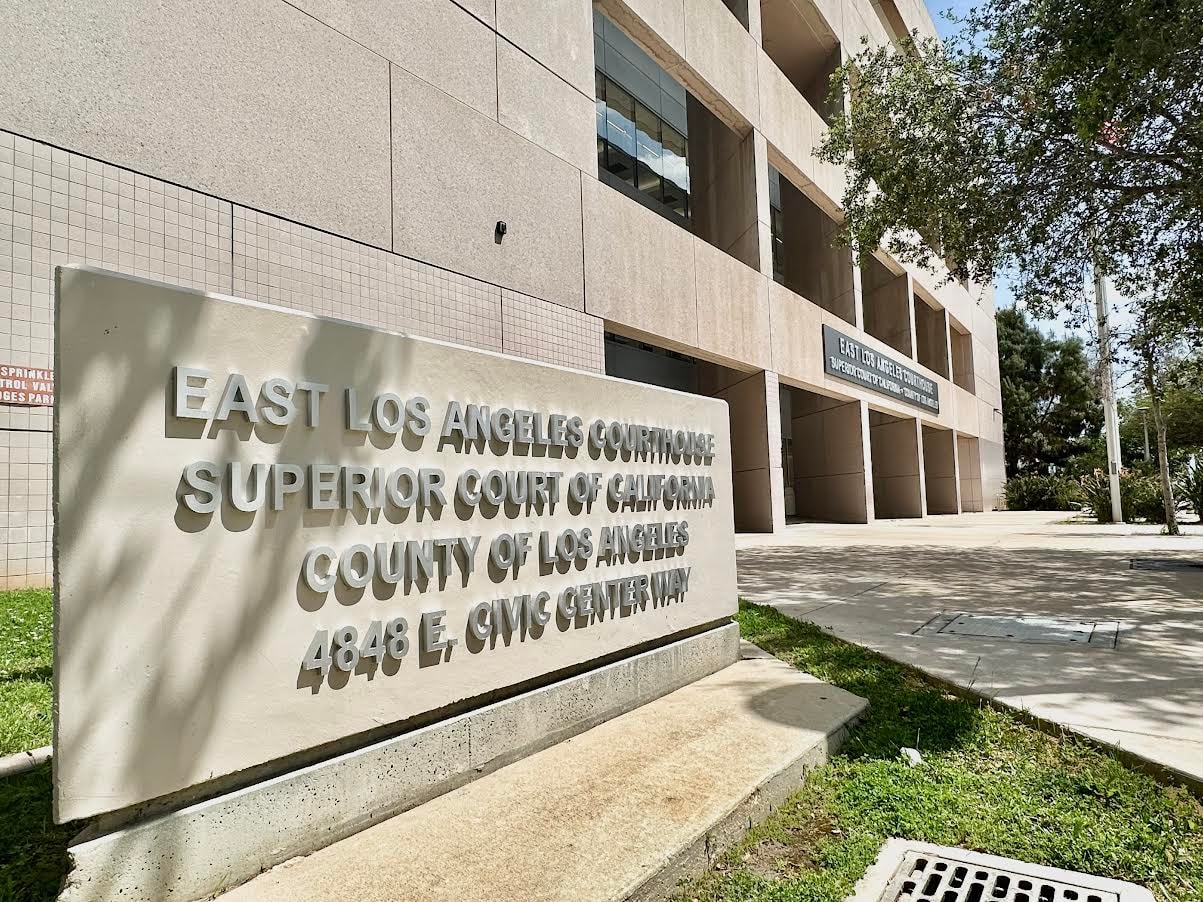
Los Angeles County publishes separate felony and misdemeanor bail schedules adopted by the Los Angeles Superior Court, effective for 2026. The official LA County bail schedule is available at lacourt.org. You can also search the LA County schedule using our bail calculator.
Orange County
Orange County publishes its own bail schedule through the Orange County Superior Court. The 2026 schedule applies to all bookings in Orange County jails. The official schedule is available at occourts.org. Orange County bail amounts for the same charge may differ from Los Angeles County because each county sets its own schedule independently. If you need a licensed bail agent in Orange County, Post It Bail Bonds provides 24/7 Orange County bail bond service from its office in the City of Orange.
Riverside County
Riverside County's bail schedule is adopted by the Riverside County Superior Court. The current schedule is effective October 20, 2025. The official schedule is available at riverside.courts.ca.gov.
Felony vs. Misdemeanor Schedules
Most California counties publish separate schedules for felonies and misdemeanors. Felony bail amounts are generally higher than misdemeanor amounts for the same general offense category. Some charges are "wobblers" — they can be charged as either a felony or a misdemeanor depending on the facts and the prosecutor's decision. The bail amount may differ depending on how the charge is filed.
Enhancements and Multiple Charges
Bail schedules often include enhancement amounts added on top of the base charge bail. Common enhancements include prior convictions or strike priors, use of a weapon, great bodily injury, gang-related allegations, and domestic violence circumstances. When a defendant faces multiple charges, bail may be set on each charge separately and then combined, or a judge may set a single bail amount covering all charges.
NO BAIL Outcomes
Some charges in the bail schedule are listed as "NO BAIL" or carry a bail amount of $0. This means the defendant cannot be released on bail for that charge alone — a judge must review the case before any release is possible. A NO BAIL designation does not mean release is impossible — it means a judge must make that determination at arraignment.
Judge-Set Bail vs. Scheduled Bail
At arraignment — typically within 48 hours of arrest — a judge reviews the case and may keep bail at the scheduled amount, increase bail, reduce bail, release the defendant on their own recognizance, or deny bail entirely. The bail bond premium is based on the bail amount actually set — whether that is the scheduled amount or the judge-set amount.
Look Up a Scheduled Bail Amount
You can search the published bail schedules for Los Angeles, Orange, and Riverside counties and see the estimated 8% premium for a specific charge. No personal information is required.
Check the Scheduled Bail and Estimated 8% Premium →
You can also view the full searchable LA County felony schedule at Los Angeles County Felony Bail Schedule.
Reviewed by: Post It Bail Bonds, California License #1M37243. Last reviewed September 1, 2026. This article is for general informational purposes only and does not constitute legal or financial advice.