
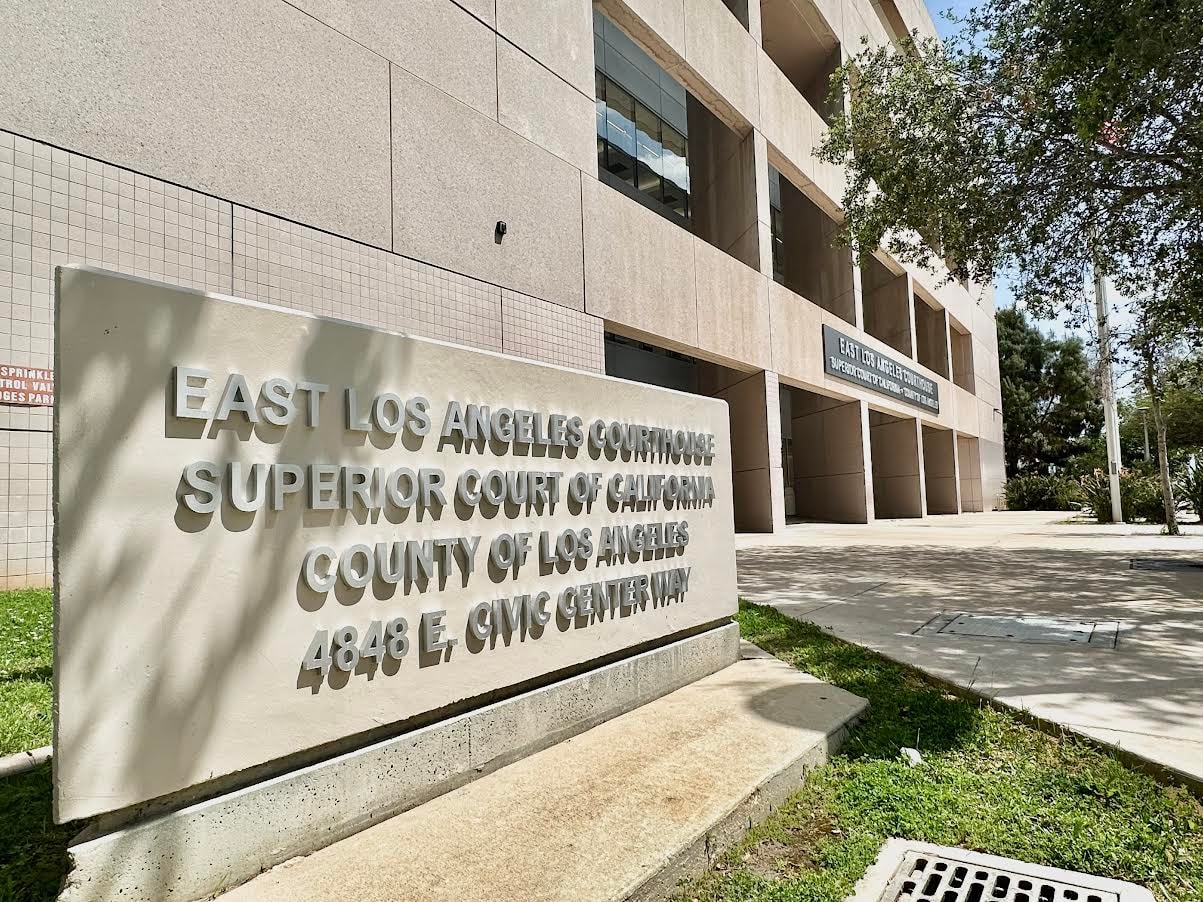
What Is PC 273.5(a)?
California Penal Code 273.5(a) makes it a criminal offense to willfully inflict corporal injury resulting in a traumatic condition upon an intimate partner. The statute covers spouses, former spouses, cohabitants, former cohabitants, and the parent of a shared child. It is a felony offense and is taken very seriously by California courts.
The law is specifically focused on physical harm within intimate or domestic relationships. It is not a child-endangerment statute — that is addressed separately under other sections of the Penal Code.
Corporal Injury and Traumatic Condition
Under PC 273.5(a), corporal injury refers to physical harm or injury to the victim's body. A traumatic condition is a wound or external or internal injury — whether minor or serious — caused by physical force. The severity of the injury can influence the charges and potential penalties, but even a minor visible injury may satisfy the traumatic-condition element.
The prosecution must prove the injury was willfully inflicted, not accidental. Defense strategies often focus on this element — challenging the evidence, disputing the alleged injury, questioning witness credibility, or demonstrating that any injury was accidental.
What Happens After an Arrest
A PC 273.5(a) arrest typically follows this sequence:
- Arrest and booking. The person is taken into custody and booked at a county jail. Booking includes fingerprinting, photographing, and recording the charges.
- Emergency Protective Order (EPO). Law enforcement may issue an EPO at the scene. This short-term order — typically five to seven days — may restrict the arrested person from contacting the alleged victim or returning to a shared residence.
- Arraignment. The first court appearance, usually within 48 to 72 hours of arrest. The judge reads the charges, the defendant enters a plea, and bail is formally set or reviewed.
- Pretrial proceedings. Both sides exchange evidence, and the case may be resolved through a plea agreement or proceed to trial.
It is crucial for anyone facing these charges to seek qualified legal representation as early as possible. Post It Bail Bonds handles the bail side — getting your loved one out of custody — while an attorney handles the legal defense.
Finding Someone in Custody
If someone you know was arrested for a domestic violence offense, you can locate them through the county inmate search system. You will need their full legal name and, if possible, their date of birth.
- Los Angeles County: Search at lasd.org inmate locator or call the LASD Inmate Information Center at (213) 473-6100.
- Orange County: Search at ocsd.org or call (714) 647-4666.
- Riverside County: Search through the Riverside County Sheriff's inmate locator.
- San Bernardino County: Search through the San Bernardino County Sheriff's inmate locator.
You can also use our California inmate search hub for links to all major county and state inmate locators, or call Post It Bail Bonds at 1-855-479-4345 and we will help you locate the person in custody.
Bail and Release
In most domestic violence cases, bail is set according to the county bail schedule or determined by a judge at the arraignment. The amount varies by county and by the specific circumstances of the arrest. A judge may also impose conditions on release — such as no contact with the alleged victim — or in some cases deny bail entirely.
A bail bond allows a family member or friend to secure the defendant's release by paying a licensed bail bondsman a non-refundable premium — typically 10% of the total bail amount in California. The bondsman then posts the full bail with the court.
To understand the full bail process, see our guide: How Bail Works in California. For county-specific bail amounts, visit our California bail schedules page.
Post It Bail Bonds is available 24 hours a day, 7 days a week. Call 1-855-479-4345 or submit a bail inquiry online.
Protective Orders and Court Appearances
Domestic violence cases frequently involve protective orders at multiple stages:
- Emergency Protective Order (EPO): Issued by law enforcement at the time of arrest. Lasts five to seven days.
- Temporary Restraining Order (TRO): Issued by a judge at or shortly after the arraignment. Typically lasts until the next court date.
- Criminal Protective Order (CPO): A longer-term order issued as a condition of bail or probation. May restrict contact, establish residence exclusions, or impose other protections.
Violating any protective order is a separate criminal offense. The defendant must appear at all scheduled court dates. Failure to appear can result in a bench warrant, bail forfeiture, and additional charges.
Legal Consequences
A conviction under PC 273.5(a) is a felony and can carry:
- Imprisonment in state prison for two, three, or four years (or county jail under certain conditions)
- Fines up to $6,000
- Formal probation
- Mandatory batterer's intervention program (52-week counseling)
- A criminal protective order
- Loss of the right to own or possess firearms
The severity of the sentence depends on the specific facts, the extent of injury, and the defendant's prior criminal history. Prior domestic violence convictions can significantly increase the penalties.
For information about bail bonds in domestic violence cases specifically, see our domestic violence bail bonds page.
Frequently Asked Questions
What does California Penal Code 273.5(a) cover?
PC 273.5(a) makes it a crime to willfully inflict corporal injury resulting in a traumatic condition upon a spouse, former spouse, cohabitant, former cohabitant, or the parent of a shared child. It is a felony offense in California.
Is a PC 273.5(a) arrest a felony or a misdemeanor?
PC 273.5(a) is a felony. A conviction can result in imprisonment in state prison for two, three, or four years, fines, probation, mandatory counseling, and a restraining order. The exact outcome depends on the circumstances and the defendant's criminal history.
How do I find someone who was arrested for domestic violence in California?
You can search the inmate locator for the county where the arrest occurred. For Los Angeles County use lasd.org or call (213) 473-6100. For Orange County use ocsd.org. Post It Bail Bonds can also help you locate someone in custody — call us 24/7 at 1-855-479-4345.
Can someone be bailed out after a PC 273.5(a) arrest?
In most cases, yes. Bail is typically set at the arraignment or according to the county bail schedule. However, a judge may impose a no-bail hold or emergency protective order that temporarily restricts release. A licensed bail bondsman can explain the options once bail is set.
What is an emergency protective order after a domestic violence arrest?
Law enforcement can issue an Emergency Protective Order (EPO) at the time of arrest. An EPO is a short-term order — typically lasting five to seven days — that may restrict the arrested person from contacting the alleged victim or returning to a shared residence. It is replaced by a court-issued restraining order at the arraignment.
General Information Disclaimer
This page provides general information about California Penal Code 273.5(a) and the bail process. It is not legal advice and does not create an attorney-client relationship. Laws and procedures can change. If you or someone you know is facing criminal charges, consult a licensed California criminal defense attorney for advice specific to your situation. Post It Bail Bonds is a licensed bail bond agency — we handle bail, not legal defense.